

OUR PEOPLE
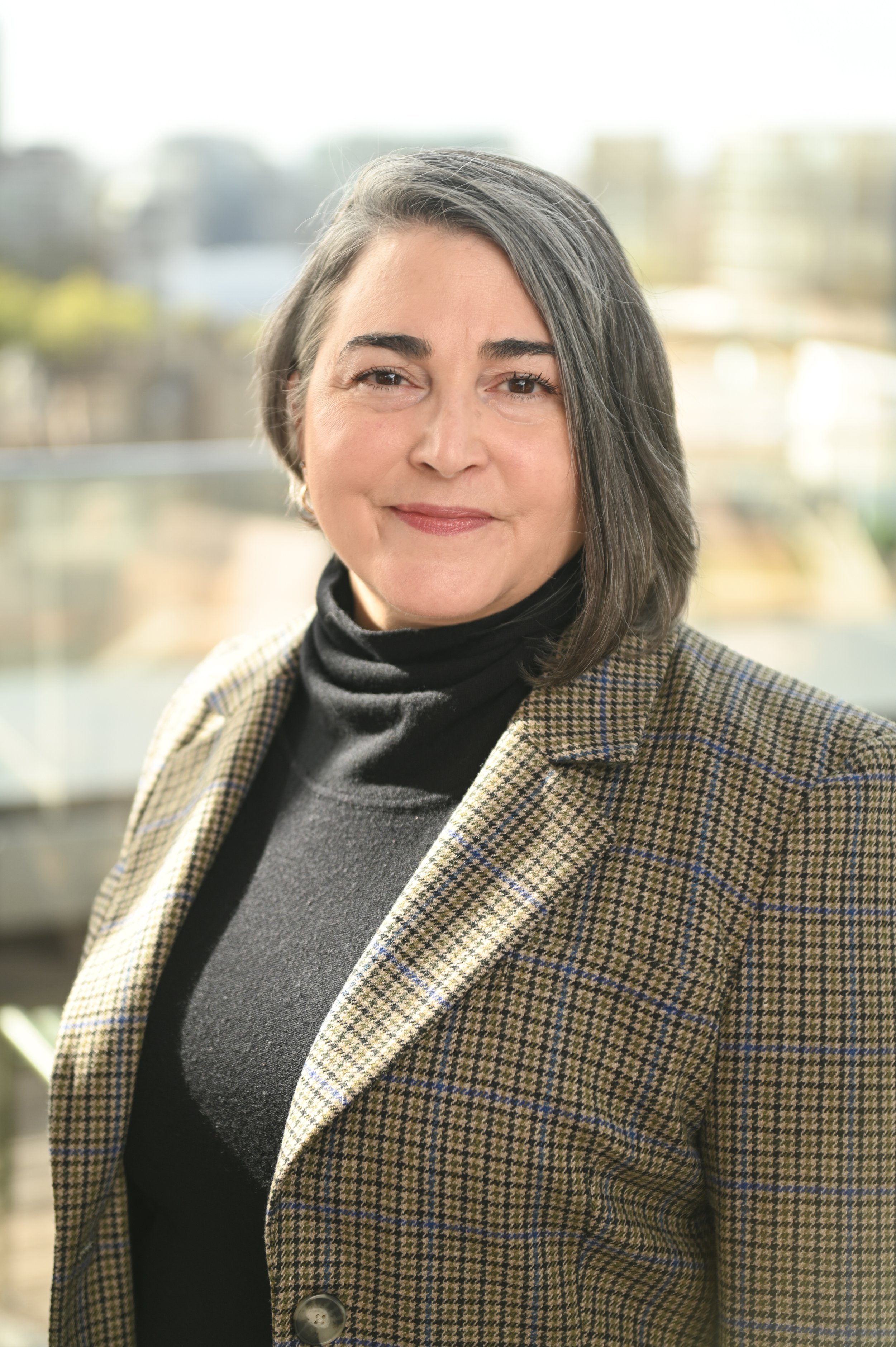
As CEO of ChemFORWARD Stacy is responsible for executing on the strategic plan for growth, impact and scale. Stacy develops key partnerships, collaborations and stakeholder engagement that support the mission of ChemFORWARD to create broad access to chemical hazard data and illuminate safer alternatives in partnership with industry. Through this work, she pursues her vision to end toxic chemical exposure and advance human and environmental equity.
To lead this innovative project, she draws from 30 years of experience encompassing management consulting, high growth start-ups, public-private partnerships, and an MBA from Duke University.
She has been honored with the Women in Sustainability Leadership Award and the Beyond Duke Service and Leadership Award.

Dr. Lauren Heine works to protect human and environmental health by applying alternatives assessment, green
chemistry, green engineering and multi-stakeholder collaboration to the development of products and processes.
Lauren led the creation and development of GreenScreen® for Safer Chemicals and GS List Translator, increasingly
used for chemical hazard assessment worldwide. She also led the creation and development of CleanGredients™, a
web-based information platform for identifying greener chemicals in cleaning products in partnership with the USEPA
Safer Choice Program (formerly Design for the Environment (DfE)). This was the first database of ‘positive’ ingredients.
Lauren was executive director at Northwest Green Chemistry and continues to serve as Senior Science Advisor.
She co-chairs the Apple Green Chemistry Advisory Board, which is tasked with helping to integrate green chemistry into Apple’s products and supply chain. For the OECD, she drafted Policy Principles for Sustainable Materials Management and Considerations and Criteria for Sustainable Plastics from a Chemicals Perspective.
Lauren served on the California Green Ribbon Science Panel. For the US EPA, she helped develop criteria for the DfE Safer Choice Program and served on both Steering and Technical Committees for all of the Alternatives Assessment Partnerships. Lauren advised the technical development of the Interstate Chemicals Clearinghouse Alternatives Assessment Guide and the WA Alternatives Assessment Guide.
She earned her doctorate in Civil and Environmental Engineering from Duke University. She was a Fellow with the American Association for the Advancement of Science (AAAS) in the Green Chemistry Program at the US Environmental Protection Agency and taught chemistry labs at Bowdoin College.
Lauren is currently adjunct faculty in the Center for Engineering Design & Entrepreneurship at Gonzaga University.

Heather McKenney serves as Director, Science and Safer Chemistry at ChemFORWARD, where she drives
efforts to enhance access to high quality chemical hazard data and amplify safer alternatives. She oversees
ChemFORWARD's Chemical Hazard Data Trust and plays a key role in science communication. Heather
collaborates with industry, NGO, and governmental stakeholders across all industry sectors that ChemFORWARD serves.
Heather previously led Toxicology and Product Safety for The Honest Company. In this role, she oversaw ingredient and product safety review and substantiation and clinical safety testing while supporting regulatory compliance, governmental affairs, and science communication for beauty and personal care, cleaning, and baby products.
Heather is a member of California's Department of Toxic Substances Control's Green Ribbon Science Panel (GRSP), which advises the Safer Consumer Products (SCP) Program on a variety of scientific and technical matters related to green chemistry, policy recommendations, and implementation of the SCP Regulations. She is also a member of the Chemical Hazard Data Trust's Steering Committee. She holds an MPH in Environmental Health from Boston University School of Public Health and BS in Environmental Science from Indiana University Purdue University, Indianapolis (IUPUI). Heather resides in Los Angeles, CA.

Dr. Christopher Lee Bartlett is an experienced toxicologist committed to designing safer products through the
application of toxicological methods and the promotion of safer alternatives.
Chris has a diverse background in assessing materials and finished consumer products, hazard and safety labelling,
maintaining product stewardship guidelines, and setting strategies for toxicology testing protocols, having worked for
biotechnology and consumer product companies, as well as multiple federal agencies.
He is currently focused on supporting the development of tools to aid in increasing the efficiency of toxicological assessments and to enable toxicologists to make clearer decisions about the safe use of materials. For the Food and Drug Administration (FDA), he supported the development of Janus Nonclinical, a tool designed to utilize SEND (Standard for Exchange of Nonclincal Data) from the electronic submission of nonclinical study data allowing reviewers to analyze data and create summary tables more efficiently. He continues to support training of reviewers as the FDA goes through this paradigm shift in the review process.
At ChemForward, Chris serves as Lead Toxicologist, supporting assessors, verifiers, and developing associated guidances including topics such as botanicals and polymers. Chris works with brands on ingredient intelligence benchmark reports and with suppliers to achieve the SAFER designation.
He earned his doctorate in Toxicology from the University of North Carolina – Chapel Hill after receiving a BS in Biological Sciences from Carnegie Mellon University.

Gabrielle Rigutto joined ChemFORWARD after working as a Specialist at the Division of Environmental Health
Sciences at the University of California, School of Public Health and Researcher at the Safer Consumer Products
(SCP) Program at the Department of Toxic Substances Control. She has nearly a decade of experience advocating for
comprehensive approaches to chemical risk assessment and policy frameworks that protect the public from harmful
chemical exposures.Rigutto earned a Bachelor of Arts in Biochemistry and Molecular Biology and a Master of Science
in Environmental Science and Policy from Clark University. She also earned a second
Master of Science in Environmental Health Sciences from the University of California, School of Public Health.

Rachel Simon brings nearly two decades of experience at the intersection of safer chemistry, sustainability, and
industry transformation. Her work has spanned life cycle and alternatives assessment, sustainable materials, ecolabel
and standards development, and industry collaboration. Prior to joining ChemFORWARD, Rachel worked with brands,
formulators, and chemical manufacturers to advance green chemistry through the Green Chemistry & Commerce
Council (GC3, now Change Chemistry) and helped develop safer chemistry criteria for the electronics sector’s EPEAT ecolabel.
As Director of Safer Chemistry Decision Intelligence, Rachel leads ChemFORWARD’s work to translate trusted chemical hazard science into practical tools, methodologies, and frameworks that enable better decisions across global supply chains. She leads the development and adoption of standardized approaches for measuring and advancing safer chemistry, including the Safer Chemistry Impact Metrics Framework, and works with companies, industry collaborations, and other stakeholders to turn chemical knowledge into scalable action. Her work focuses on connecting science, data, and industry needs to identify opportunities for improvement, prioritize investment, and accelerate the transition to safer chemistry.
Rachel holds a Master of Science in Mechanical Engineering from the University of California, Berkeley, and a Bachelor of Science in Applied Mathematics from Sonoma State University.

Hong Lin joined ChemFORWARD with a wealth of knowledge in regulatory compliance, program development,
stakeholder collaboration, and science-based safer chemistry decision-making. She served as a Scientist at the
Environmental Working Group (EWG), where she led the design and launch of a cosmetic ingredient verification
program. Her work spanned scientific criteria development, ingredient evaluation, and collaborative engagement
with brands and suppliers to advance ingredient safety and transparency.
As Program Manager - Industry Collaboratives, Hong is a key leader in driving the growth and impact of our cross-sector collaboratives and plays a critical role in the implementation, growth, and success of ChemFORWARD’s Industry Collaboratives. As part of the Supply Chain Transformation team, she supports strategic program management, client delivery, and stakeholder engagement across key sectors, including Beauty & Personal Care, Consumer Electronics, Apparel, and more.
Hong holds a Bachelor of Science in Biology from The George Washington University in Washington, DC, and has applied her training to real-world chemical safety challenges.
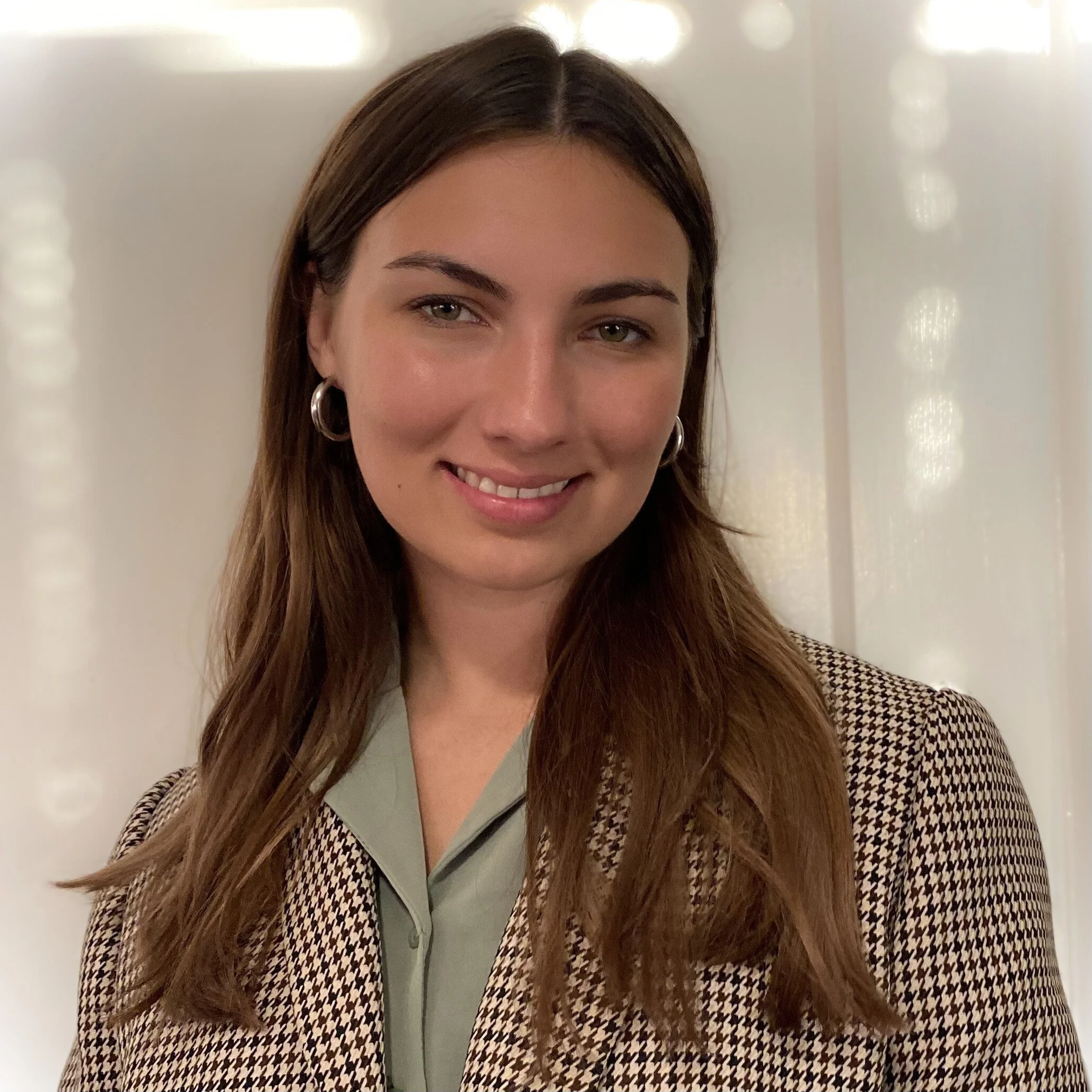
Grace brings to ChemFORWARD her experience in advanced PFAS research spanning science communication, exposure assessment, and safer alternatives. She most recently served as a Program Manager at the Berkeley Center for Green Chemistry, where she led efforts to embed environmental justice in California’s Safer Consumer Products alternatives assessment guidance, covering hazard assessment, life-cycle impacts, supply chains, and community engagement.
As Research Scientist for Data & Analytics, Grace transforms complex chemical hazard data into credible, scalable, and actionable insights that power ChemFORWARD’s Data Trust, analytics, and reporting tools, bridging hazard information, data infrastructure, and product delivery to support high-quality decision-making for ChemFORWARD’s external stakeholders.
Grace holds a Master of Science in Environmental Health Science from the UC Berkeley School of Public Health and a Bachelor of Science in Environmental Engineering Science from the UC Berkeley College of Engineering.
CHRIS HADDOCK, DIRECTOR OF IT
Chris Haddock is a hands-on technical leader and product manager with extensive experience designing scalable software architectures, advanced data engineering systems, and cloud technologies. As the Director of Information Technology at ChemFORWARD, he leads the strategic vision, technical architecture, and execution of the organization's digital product portfolio, driving software adoption and supply chain transparency.
Throughout his career, Chris has specialized in bringing technical solutions to complex regulatory and compliance challenges. Prior to his role at ChemFORWARD, he served as Senior Product Manager at ADEC Innovations, where he owned the product strategy for a multi-tenant SaaS platform focused on chemical-inventory transparency and MRSL conformance in apparel and textile supply chains. His background also includes technical project management and sales engineering roles at organizations such as CH2M Hill, Enviance, and Enablon.
Chris holds a Master of Education in Educational Technology from San Diego State University.

LIBBY SOMMER, PRINCIPAL, SAFER CHEMISTRY ACTIVATION
Libby Sommer is a strategic environmental scientist and sustainability leader with over 20 years of experience bridging rigorous scientific research and practical business implementation. As the Principal for Safer Chemistry Activation at ChemFORWARD, she combines deep technical authority with commercial acumen to drive sustainable growth, expand recurring revenue streams, and scale industry adoption of safer chemical alternatives.
Throughout her career, Libby has specialized in applying Green Chemistry, Life Cycle Assessment (LCA), and Alternatives Analysis (AA), helping brands, retailers, and manufacturers navigate complex regulatory environments and translate emerging science into corporate policy. Prior to joining ChemFORWARD, she ran her own independent consultancy working with clients such as The Biomimicry Institute and lululemon. She has held high-impact sustainability and chemicals management leadership roles, including Director of Corporate Responsibility at Bolt Threads, Director of Chemistry (Contract) for lululemon, and Conflict Minerals & Chemistry Manager / Road 2 Zero Interim Director at Nike Inc. She also spent over eight years as an Environmental Scientist for the U.S. Environmental Protection Agency (EPA) Design for the Environment (DfE) Program, where she established scientific benchmarks for chemical alternatives assessment and led an international OECD working group. Libby is a member of the California Department of Toxic Substances Control Green Ribbon Science Panel (GRSP).
Libby holds a Master of Arts in Energy & Environmental Analysis from Boston University and a Bachelor of Science in Mathematics (with a minor in Environmental Science) from Randolph-Macon Woman's College.