

DECISION INTELLIGENCE
Standardizing Safer Chemistry Reporting
Empowering companies with the intelligence they need to navigate the new world of chemical hazard transparency reporting.
While the global business community has made significant strides in reducing greenhouse gas emissions—driven by clear, measurable targets for carbon neutrality—chemical hazard reduction has lagged behind. This gap ultimately stems from the old adage:
“You can’t manage what you can’t measure.”
Introducing the Safer Chemistry Profile (SCP)
The  Safer Chemistry Profile (SCP)  is the industry’s standard measurement layer for chemical hazards. As the operationalized implementation of the SCI Metrics Framework, the SCP turns raw inventory and disclosure data into actionable strategic intelligence.
Powered by the Chemical Hazard Data Trust—a globally harmonized, centralized repository of peer-reviewed data under independent multi-stakeholder governance—the SCP provides the "Universal Language" required for the toxic-free economy. By centralizing hazard assessments, the Data Trust overcomes historical bottlenecks and provides the scientific evidence needed to scale verified safer chemistry.
Measurement is the first step toward strategic management. By establishing a baseline through standardized metrics, organizations can finally benchmark performance and track progress across products and portfolios.
Transforming Disclosure into Strategic Intelligence
The Safer Chemistry Profile (SCP) transforms complex chemical inventory and disclosure data into a strategic asset. By moving beyond compliance and binary "free-of" marketing claims, the SCP provides the scientific validation required to protect brand equity and satisfy institutional investor demand for transparency. In an era of tightening global regulation, the SCP allows organizations to move from reactive compliance-based management to actively capturing safer chemistry opportunities.
Foundational Metrics
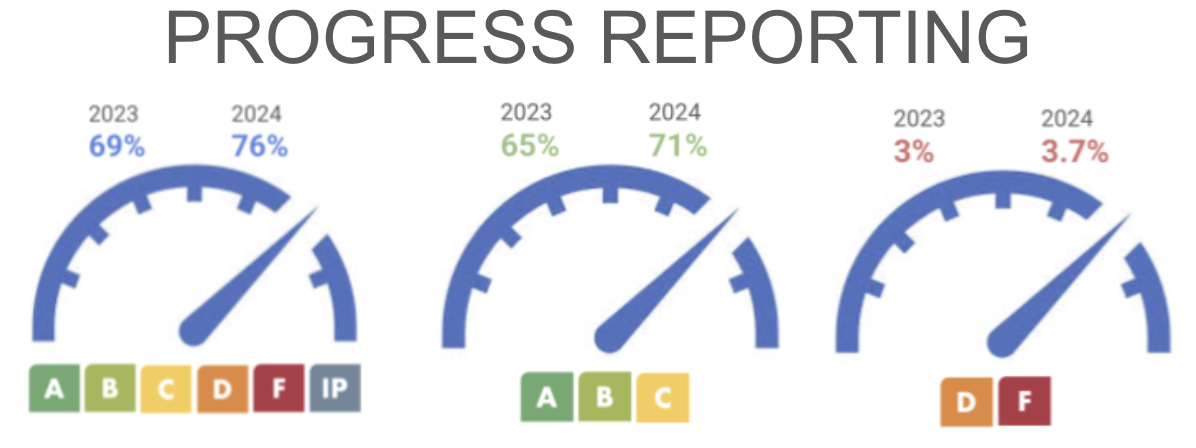
The SCP is the only tool currently operationalizing the Safer Chemistry Impact Metrics—a foundational set of key performance indicators designed to establish a clear baseline of chemical safety and year-over-year progress reporting.
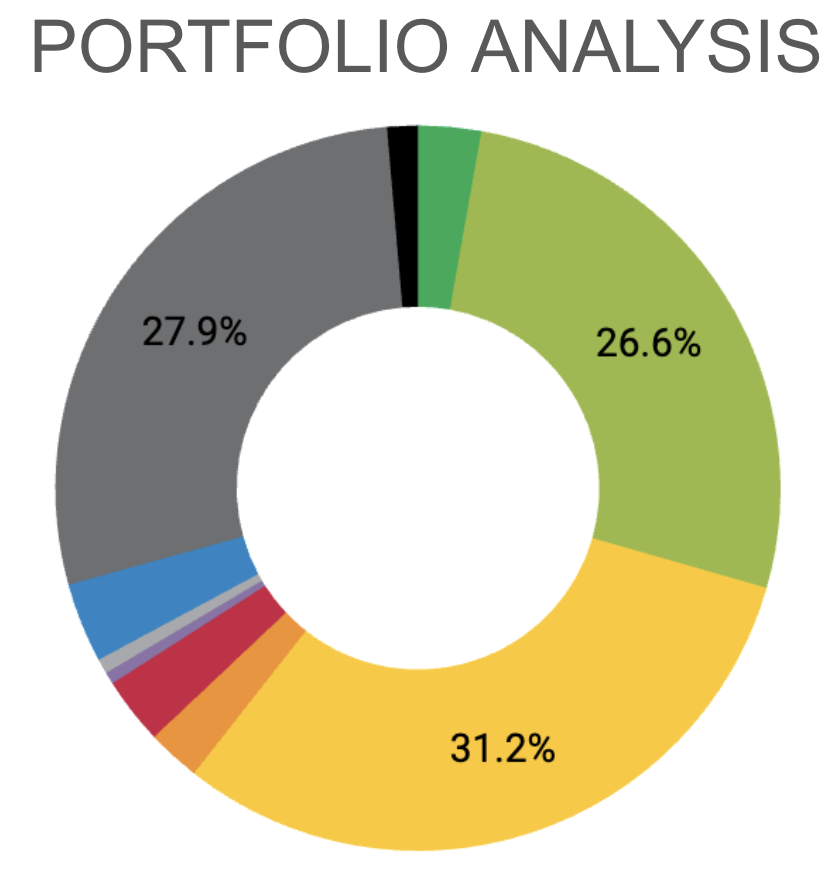
% Characterized: The baseline of visibility. This quantifies the percentage of ingredients in a portfolio that have sufficient data to be assigned a hazard classification.
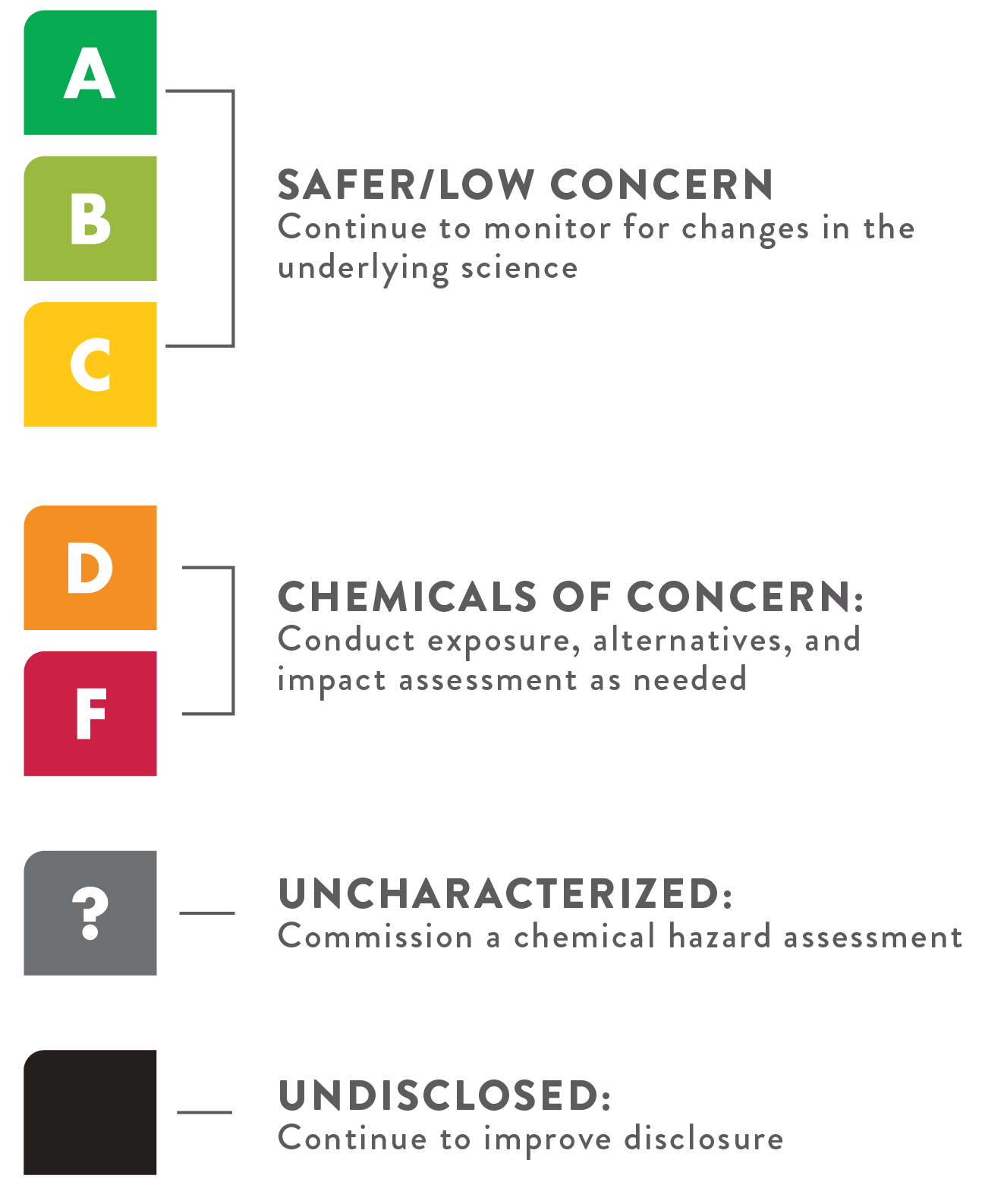
% Safer Chemistry (Hazard Bands A, B, and C): An objective measure of progress. Quantifying the proportion of the portfolio consisting of verified safer chemistry.
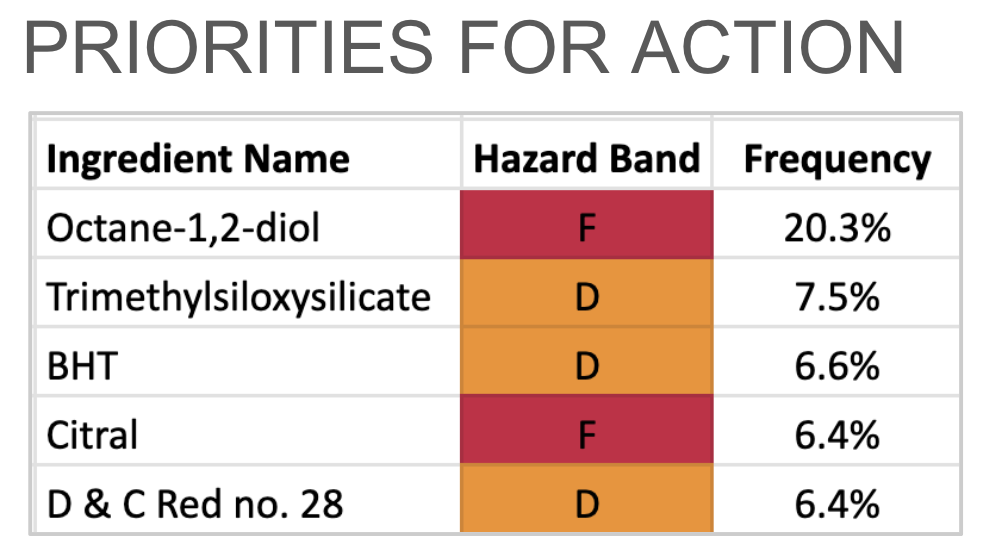
% Chemicals of Concern (Hazard Bands D and F): Identifying material potential risk. This quantifies the presence of substances that may hold current and future regulatory and/or reputational risk.
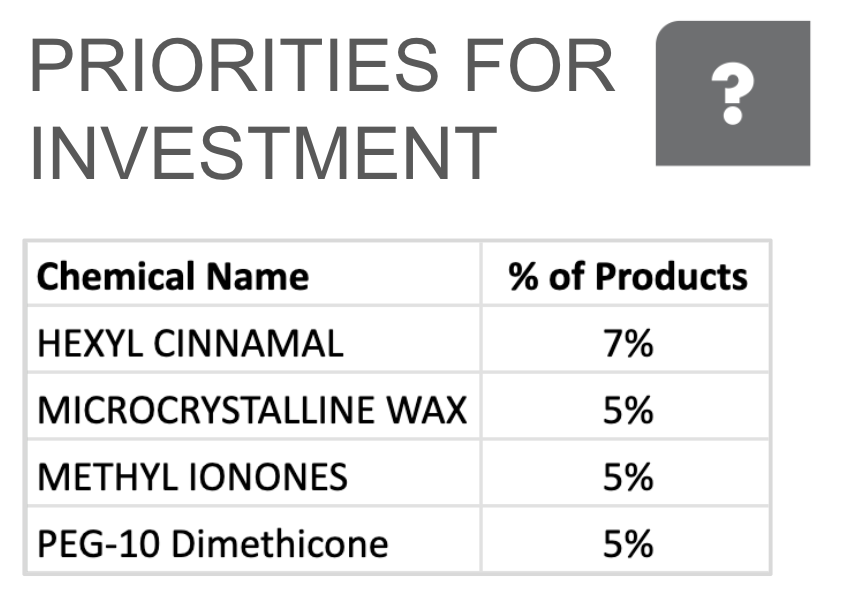
% Uncharacterized (Hazard Band ?): Quantifying the information gap. This metric ensures that a lack of data never implies safety. It serves as a targeted investment map, identifying priorities for investment in CHAs to resolve hidden risks.
Know the human and environmental impacts of the chemistry in your supply chain
Act early on inherent hazard ahead of regulation
Minimize redesign and supply chain disruptions
Reduce revenue dependency on hazardous chemicals
Invest in safer solutions and supplier capability
Make safer chemistry a value driver, not just a compliance cost
ACTIONABLE INFORMATION
GUIDING PRINCIPLE
Unknown ≠ Safe
The SCP Methodology is guided by the principle of Evidence-Based Protective Interpretation. Under this mandate, the absence of hazard data is never interpreted as safety.
"It takes a lot more information to prove that a chemical is inherently safe than it does to prove that it is toxic... A lack of hazard data does not mean that a chemical is inherently benign."
— Lauren Heine, Ph.D. , Co-Founder and Strategic Advisor, ChemFORWARD
The SCP Methodology is enabled by the Chemical Hazard Data Trust. Every comprehensive chemical hazard assessment is created by an accredited toxicology firm, peer-reviewed by independent toxicologists, and subject to ongoing validity reviews to ensure scientific objectivity.
ACTIONABLE DELIVERABLES
The SCP provides audit-ready outputs designed for immediate integration into corporate reporting and procurement strategy:
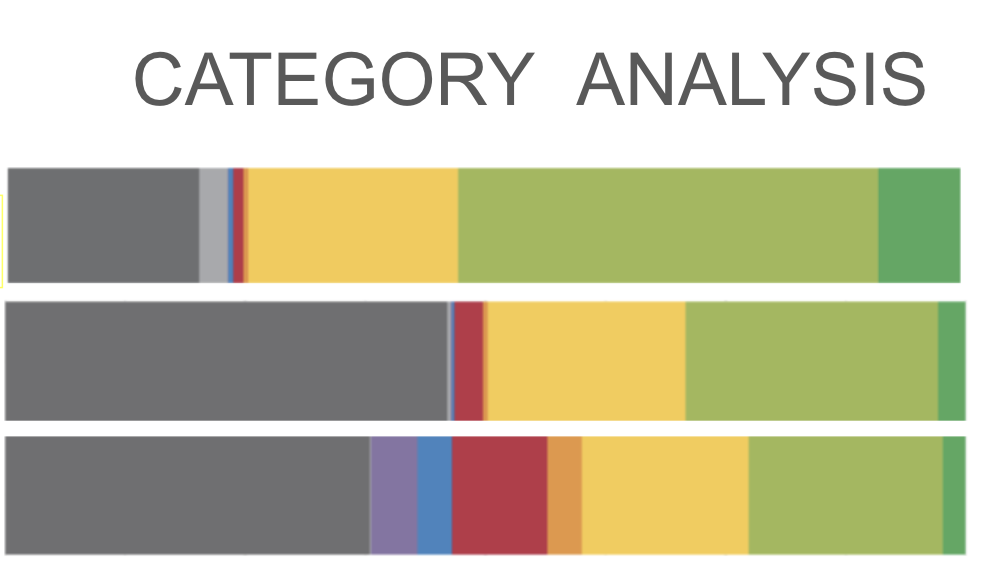
Detailed Analytics: Analysis of the overall inventory includes key impact metrics, year-over-year progress and deeper dives into product categories, chemical functions, and endpoint trends.
Summary Narratives: Subject matter expert review provides scientific context for the metrics including prioritization of high hazards and investment recommendations for uncharacterized chemicals.
Substance-Level Detail: Access granular toxicological data on individual ingredients through online access to Chemical Hazard Data Trust (included with each report).
METHODOLOGY
The Safer Chemistry Profile (SCP) is the industry’s standard measurement layer for chemical hazards. As the operationalized implementation of the SCI Metrics Framework. To understand the rigorous assessment process behind these metrics, explore the SCP Methodology.
A Common Solution for the Value Chain
-
Respond to Disclosure Requirements: Meet the growing demands of retailers and global regulators with audit-ready, science-based data.
Move Past Binary Claims: Transition from "free-of" marketing to third-party verified safety profiles that build consumer trust.
Standardize Supplier Communication: Use standardized hazard references and metrics to set clear, quantifiable expectations with upstream partners.
-
Move Beyond Compliance: Proactively embed safer chemistry into your assortment to stay ahead of impending chemical bans.
Manage Reputation Risk: Confidently respond to NGO campaigns and consumer concerns with verified data on product hazards.
Know Your Assortment: Gain full visibility into the chemicals in the products you sell and their associated hazard profiles.
-
Quantify ESG Metrics: Request comparable, outcome-based data to evaluate corporate performance beyond qualitative promises.
Future-Proof Against Regulation: Identify and mitigate exposure to "Safe and Sustainable by Design" (SSbD) mandates and other regulatory phase-outs.
Identify Market Opportunities: Pinpoint companies positioned to lead in the market for safer products and green chemistry.
Join the industry leaders who are already utilizing the Data Trust to manage what they measure. By adopting the Safer Chemistry Profile, you contribute to a standardized, quantifiable, and transparent future for chemistry.
Get Started Today — Partner with ChemFORWARD to standardize your chemical footprint and join the leaders of the safe and circular economy.